
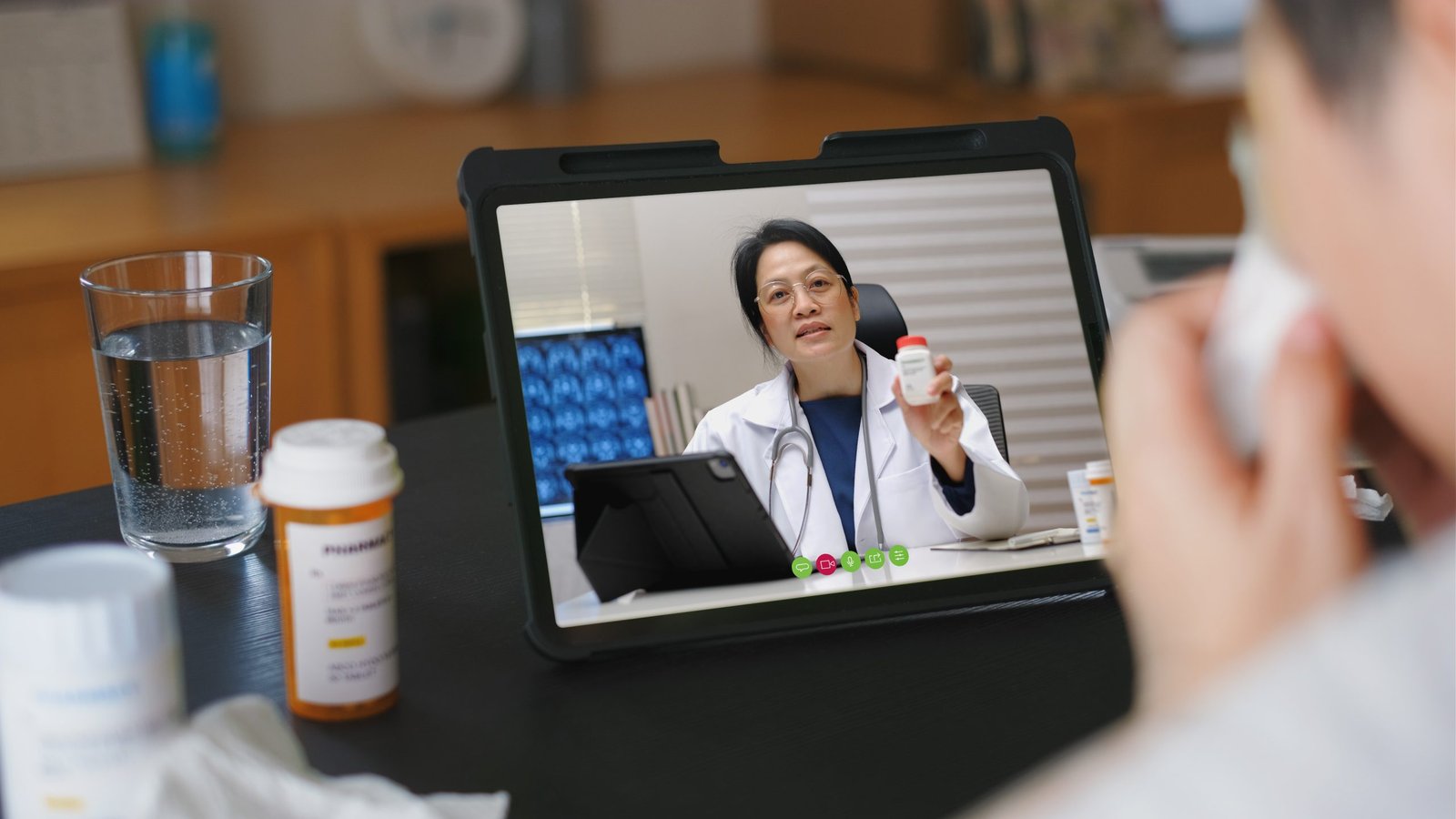
 Virtual care doesn’t replace in-person medicine, but simply extends it. Telemedicine services have become a legitimate and clinically supported tool within primary care, allowing physicians to stay connected with patients between visits, monitor chronic conditions more closely, and address non-emergency concerns without requiring a trip to the office.
Here’s how virtual consultations fit into a comprehensive care model and what patients should know about accessing quality telemedicine providers.
The Role of Virtual Care in Modern Medicine
Telemedicine works best when it’s treated as a complement to in-person care, not a replacement for it. There are things a physical exam can catch that a video call cannot. But there are also situations where a virtual consultation is the more efficient option.
For patients managing chronic conditions like hypertension or diabetes, remote monitoring and regular virtual check-ins have been shown to improve treatment adherence and allow for faster clinical adjustments. For non-emergency triage and routine follow-up care, virtual consultations are clinically valid and increasingly preferred by patients with busy schedules or limited transportation access.
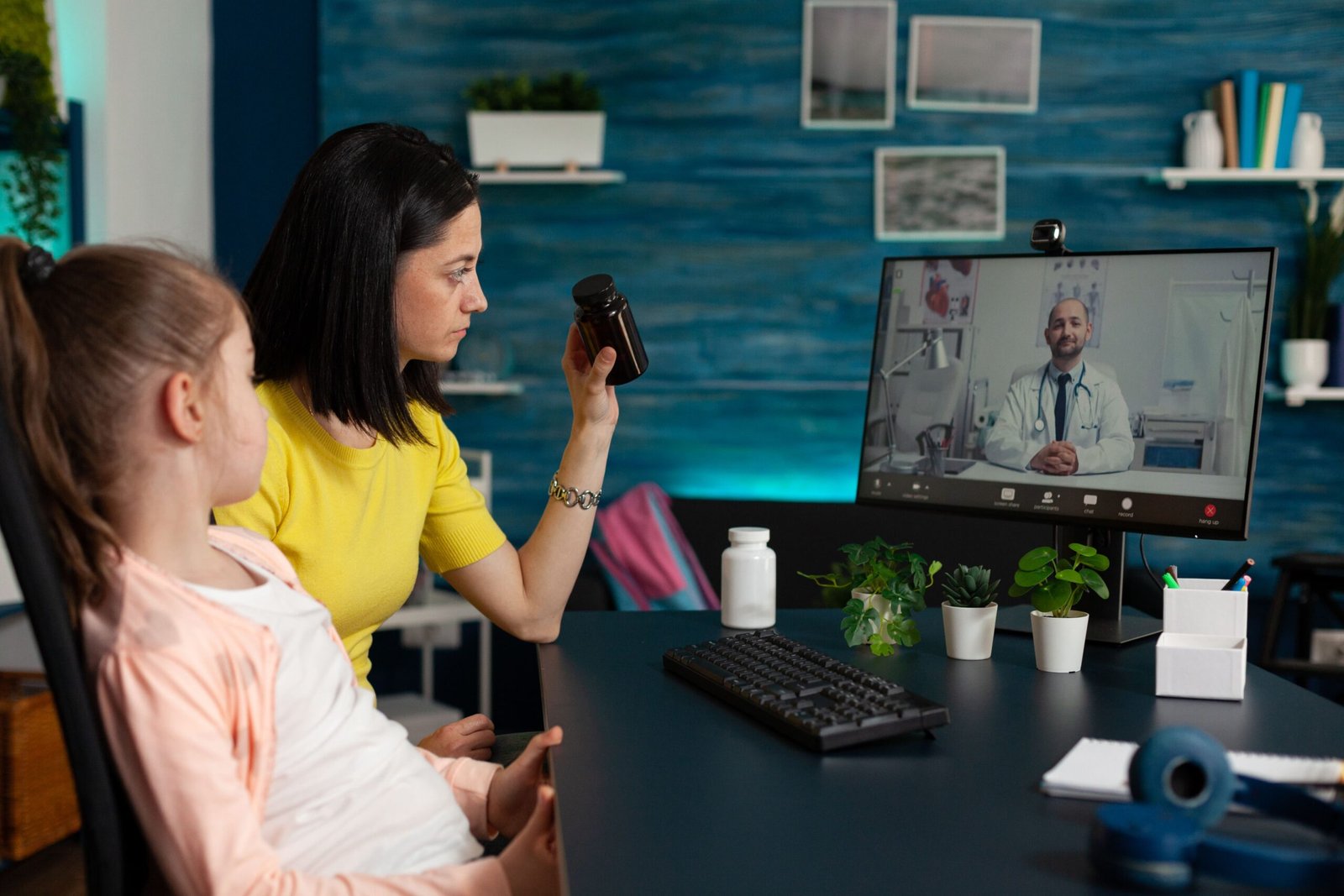 Maintaining the Standards of a Virtual Consultation
A virtual visit done well is still a thorough clinical encounter. High-definition video, patient-reported symptom data, and integrated health records allow telemedicine providers to conduct detailed assessments and structured medical history reviews without a physical touchpoint.
Key elements of a high-quality virtual consultation include:
- Structured history taking to compensate for the absence of hands-on examination.
- Visual assessment of visible symptoms, skin changes, mobility, and overall patient presentation.
- Clear escalation criteria and knowing when a concern requires an immediate transition to an in-person visit.
Good telemedicine providers don’t keep patients on a virtual platform when an in-office evaluation is clinically necessary. Knowing when to escalate is part of the standard.
Ensuring Data Integrity and Patient Confidentiality
A secure virtual care environment is both a clinical and legal requirement. HIPAA-compliant platforms ensure that virtual interactions carry the same confidentiality protections as in-person appointments.
When digital health records are properly integrated, there are no gaps in the patient’s medical history. Every virtual encounter is documented and part of a continuous clinical record. The doctor-patient relationship doesn’t change because the medium does, which means that trust and clinical integrity remain the foundation.

Expanding Access to Specialized Clinical Oversight
One of the most significant advantages of telemedicine is access. Geography, transportation, work schedules, and mobility limitations are real barriers, and virtual care removes them.
At Advanced Medical Care in Lawrenceville, our team offers telemedicine services for urgent care needs across multiple states, with providers available to connect with patients quickly and directly. More frequent digital check-ins also improve adherence to treatment plans, which is a key factor in long-term outcomes for patients managing chronic conditions.
Contact Advanced Medical Care for Telemedicine Services
If you’re looking for telemedicine providers who bring the same clinical standards to virtual care as they do in person, Advanced Medical Care is ready to help.
Contact us online or call (470) 292-3122 to learn more about our virtual consultation availability and whether telemedicine services are the right fit for your care needs.